
Sunday, June 21, 2020 – Fathers
- Mary Reed

- Jun 21, 2020
- 11 min read

Today is Father’s Day. According to Wikipedia, Father's Day was inaugurated in the United States in the early 20th century to complement Mother’s Day in celebrating fathers, fathering and fatherhood.
Father's Day was founded in Spokane, Washington at the YMCA in 1910 by Sonora Smart Dodd, who was born in Arkansas. Its first celebration was in the Spokane YMCA on June 19, 1910. Her father, the Civil War veteran William Jackson Smart, was a single parent who raised his six children there. After hearing a sermon about the founding of Mother's Day by Anna Jarvis at Central Methodist Episcopal Church in 1909, Dodd told her pastor that fathers should have a similar holiday honoring them. Although she initially suggested June 5 — her father's birthday — the pastors of the Spokane Ministerial Alliance did not have enough time to prepare their sermons, and the celebration was deferred to the third Sunday of June.

The holiday did not have much success initially. In the 1920s, Dodd stopped promoting the celebration because she was studying at the Art Institute Chicago, and it faded into relative obscurity — even in Spokane. In the 1930s Dodd returned to Spokane and started promoting the celebration again, raising awareness at a national level. She had the help of those trade groups that would benefit most from the holiday, for example the manufacturers of ties, tobacco pipes and any traditional present to fathers.

Since 1938 she had the help of the Father's Day Council, founded by the New York Associated Men's Wear Retailers to consolidate and systematize the commercial promotion. Americans resisted the holiday during a few decades, perceiving it as just an attempt by merchants to replicate the commercial success of Mother's Day, and newspapers frequently featured cynical and sarcastic attacks and jokes. But the trade groups did not give up: they kept promoting it and even incorporated the jokes into their ads, and they eventually succeeded. By the mid-1980s the Father's Council wrote that "… [Father's Day] has become a second Christmas for all the men's gift-oriented industries."

A bill to accord national recognition of the holiday was introduced in Congress in 1913. In 1916, President Woodrow Wilson went to Spokane to speak in a Father's Day celebration and wanted to make it official, but Congress resisted, fearing that it would become commercialized. U.S. President Calvin Coolidge recommended in 1924 that the day be observed by the nation but stopped short of issuing a national proclamation. Two earlier attempts to formally recognize the holiday had been defeated by Congress. In 1957, Maine Sen. Margaret Chase Smith wrote a proposal accusing Congress of ignoring fathers for 40 years while honoring mothers, thus "[singling] out just one of our two parents". In 1966, President Lyndon B. Johnson issued the first presidential proclamation honoring fathers, designating the third Sunday in June as Father's Day. Six years later, the day was made a permanent national holiday when President Richard Nixon signed it into law in 1972.

Fathers who stick around are good for children. According to Johnathan Krisch’s article “The Science of Dad and the ‘Father Effect’” in Fatherly, there are data-driven reasons why kids do better with father figures in their lives. The impact of fatherhood is not subjective, but an objective and documented phenomenon. Although motherhood has dominated past parenting studies, researchers are learning more about what makes a good dad and how to be a good dad every day. So far, they know that kids who grow up with a present, engaged dad are less likely to drop out of school or wind up in jail, compared to children with absent fathers and no other male caretakers or role models. When kids have close relationships with father figures, they’re less likely to have sex at a young age and tend to avoid other high-risk behaviors. They’re more likely to have high-paying jobs and healthy, stable relationships when they grow up. They also tend to have higher IQ test scores by the age of three and endure fewer psychological problems throughout their lives when fatherhood is taken seriously.
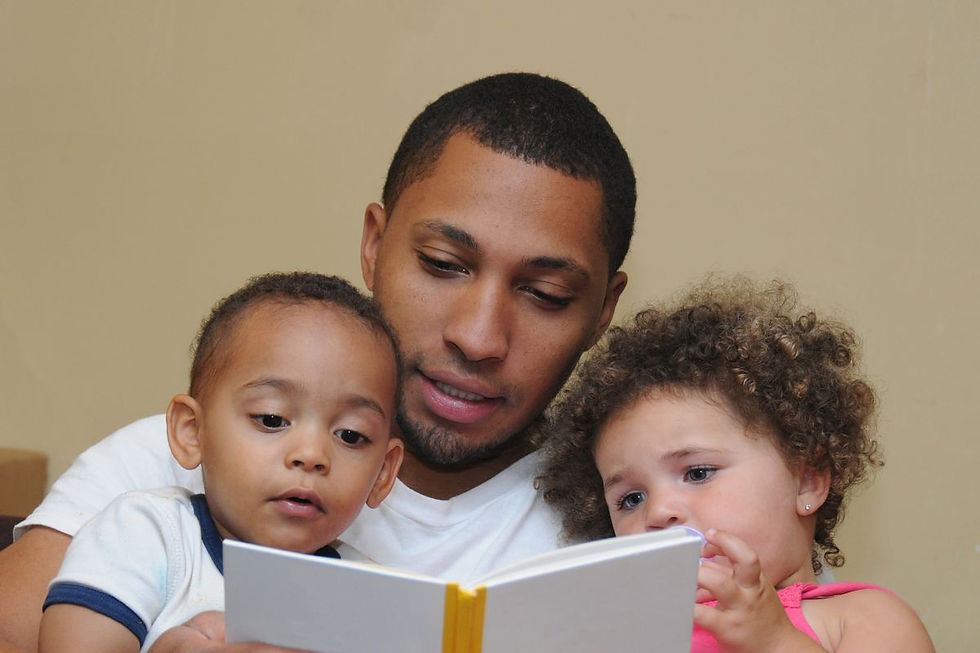
“When fathers are actively involved with their children, children do better,” explained Paul Amato, a sociologist who studies parent-child relationships at Pennsylvania State University. “Research suggests that fathers are important for a child’s development.”
“The Father Effect” is the umbrella term for the benefits of a paternal presence. These effects can be numerous when fathers actively participate in family life. “There needs to be a minimum amount of time spent together, but the quality of time is more important than the quantity of time,” Amato said. “Just watching television together, for example, isn’t going to help much.”

Fatherhood Starts With Sperm
Fathers are more than just sperm donors, but that doesn’t mean one can discount the importance of sperm. There is perhaps no greater and more universal Father Effect than genetic information.
First, some parents are inevitably going to pass genetic diseases on to their kids. One way to mitigate that and decrease the odds of passing along the most debilitating diseases is to seek genetic counseling before conceiving, especially if you’re a member of a high-risk group.

But for everyone else, there’s epigenetics — the study of changes in the expression of DNA that are caused by lifestyle choices, the environment and other outside factors. While we tend to blame mothers for ruining the genetic information in their eggs with drugs and alcohol, until recently we had little concept of how fathers’ vices might impact their sperm. We now know that the decisions a man makes before conception can have lifelong impacts on his kids. Studies suggest that men who binge drink before conception are more likely to have kids with congenital heart diseases and who abuse alcohol. Poor dietary choices in men can lead to negative pregnancy outcomes. At least one study suggests that men who are stressed before conception may predispose their offspring to high blood sugar.
“We know the nutritional, hormonal and psychological environment provided by the mother permanently alters organ structure, cellular response, and gene expression in her offspring,” noted Joanna Kitlinska of Georgetown University, who ran a study on the subject in 2016. “But our study shows the same thing to be true with fathers — his lifestyle — and how old he is — can be reflected in molecules that control gene function.”
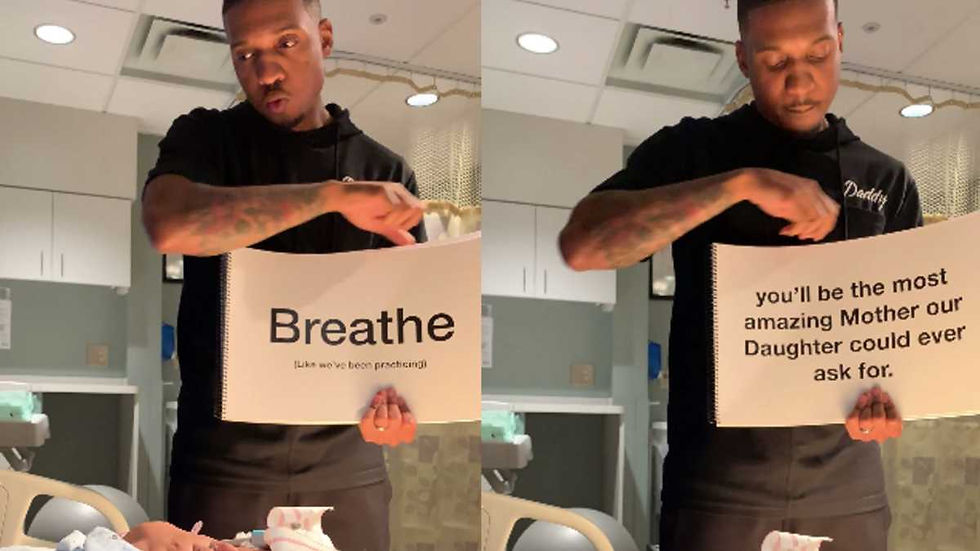
Good Dads Are Incubated
Until the 1960s, experts seldom encouraged dads to take part in parent groups, to participate during labor, or to care for infants. It was generally understood that dads existed to teach their toddlers to walk and their kids to play catch, not to handle baby stuff. But the past few decades of research suggest that the earlier a dad gets involved, the better. In a 1997 book on the subject, researchers argued that fathers who are actively involved in labor are effectively developing relationships — albeit one-way relationships — with their children, and subsequent studies suggest this development leads to stronger early attachment to the baby.

Whether early attachment to a baby breeds more serious involvement in the long-term is a matter of debate, but there’s plenty of evidence that it does. In a 2011 literature review on paternal involvement during pregnancy and labor, the authors claim that the preponderance of evidence suggests that dads who are actively involved and invested in the baby before they are born disproportionately remain involved in the child’s life. And, as numerous studies have shown, more paternal involvement means better outcomes for kids. To foster this connection, some scientists have argued that healthy women and newborns should return home as soon as possible after delivery, especially if the father is not allowed to stay overnight in the hospital.
This is not to say that fathers play a critical role in the development of fetuses — after their initial genetic contribution, they’re down for the count until after delivery. But pregnancy and labor are when the groundwork for the Father Effect begins, and its importance cannot be overstated.

Good Dads and Engaged Fathers
Before we dive into how involved fathers help their kids (and how uninvolved fathers harm them), it’s important to highlight what an engaged, active, involved father looks like. First, as ever, showing up is half the battle. Dads who live with their kids and take time out of their days to attend important events are far more likely to have a positive impact than absent fathers.
For dads who live apart from their kids, there are limited options for engaging fatherly interactions. “Writing letters, phone calls — even if you’re not in physical proximity, knowing your dad cares and wants to be involved to the extent that they can is really important,” said Marcy Carlson, a sociologist at the University of Wisconsin. If you can’t even do that, buying love isn’t the worst idea. “There’s tons of evidence that financial support of kids is good for their outcomes,” she said. “If dads can provide for their children, that goes a long way.”

Being around is one thing, being engaged is another. “The quantity of interaction doesn’t really benefit kids, but if you have more high-quality, engaged parenting that does seem to be positively related to outcomes for children,” Carlson says. Warmth is also a key factor. Fathers who spent a lot of time with their kids but are dismissive or insulting tend to have only negative impacts.
“Low-quality fathering can involve behaving coldly toward one’s children,” says Danielle DelPriore, a developmental psychologist at the University of Utah. “Insulting them or engaging in problem behaviors are largely incompatible with being a present and engaged father.”

What is a Good Dad to an Infant and Toddler
There’s a reason that fathers often find themselves wondering why they should even bother investing time and energy into infants who, for at least another couple of years, won’t care or remember. By all accounts, they don’t miss dad much when he travels, and are as excited to see a puppy or apple as dad coming home from work. It’s frustrating behavior, sure. But it’s important for dads to see the big picture here. These short-term reactions are very different than the long-term effects of dad being around.

The role of the father in child development points to the fact that many of the emotional, social, and behavioral benefits mentioned earlier are linked to having a dad in the picture in early childhood. One 1991 study cited in the book found that infants attained higher cognitive scores at age one if their fathers were involved in their lives when they were one month old. Preterm infants similarly score higher at 36 months if their dads play an active role from birth, and a separate study found that infants who played with their dads at nine months enjoyed similar benefits.

When infants transition into toddlers around age one, the Father Effect becomes even more pronounced. Studies suggest that when fathers are involved in everyday tasks — dinner, playing in the backyard — rather than expansive but one-off trips, toddlers and young children benefit. Dads also seem to offer a unique touch, with at least one study suggesting that fathers are better than mothers at teaching children how to swim because they are less overprotective and more likely to let their children venture into the deep end or swim facing away from them.

As anecdotal evidence indicates, sons especially need their dads. In the book “Do Fathers Matter?,” Paul Raeburn describes how scientists observed that U.S. and Norwegian boys whose fathers were off fighting in World War II during their childhoods later had trouble forging relationships with others as they matured. Similar studies cited in the book show that sons who grow up without fathers — or with disengaged fathers — tend to be less popular in preschool. Broadly, the research suggests that boys lean on their fathers more than anyone else as they develop social skills. And one large study of nearly 9,000 adults confirmed that a father’s death affects sons more strongly than daughters, leading to the same sort of health problems seen after an ugly divorce.

What Is a Good Dad to a Daughter
Most studies suggest that, until children hit puberty, the Father Effect is roughly equal for boys and girls. Both boys and girls who are fortunate enough to have dads in their lives excel and, in some cases, outperform their peers. But when hormones kick in, studies demonstrate that dads suddenly become the arbiters of sexual behavior too. This is most acutely felt by teenage daughters, who take fewer sexual risks if they have strong relationships with their dads.
“Numerous past studies find a link between low-quality fathering and daughters’ sexual outcomes, including early and risky sexual behavior,” says Danielle DelPriore, who has studied how dads impact risky sex. “A father who is cold or disengaged may change daughters’ social environments and sexual psychology in ways that promote unrestricted sexual behavior.”

One of DelPriore’s studies on the phenomenon — or “daddy issues,” as it is popularly portrayed — tracked 101 sister pairs between the ages of 18 and 36. It was a particularly well-controlled study because it allowed her and her colleagues to examine how two women with similar genetics who were raised under similar environmental conditions might differ in their sexual risk-taking. She found that when one sister grew up with an active, warm father and the other was raised in a broken home or after their father became less engaged; the former grew up to largely avoid casual unprotected sex while the latter often embraced it. Although DelPriore examined several outside factors, one of the most salient links between a woman and her sexual decision-making was how close she felt to her father.
DelPriore suggests that daughters might learn from disengaged fathers that they shouldn’t expect men to invest meaningfully in long-term relationships, and so they settle for riskier casual flings. It’s also possible that “daughters with disengaged fathers receive less parental monitoring and are more likely to affiliate with sexually promiscuous friends,” she said. “On the other hand, having a father who is warm and engaged can protect against these outcomes.”

She defined “engaged fathers” as those who behave warmly and interact meaningfully with their kids. They’re the sort of dads who help with homework and attend sporting events. “When it comes to daughters, taking the time to listen to them, learn about their lives, show up for important events and provide emotional support could protect against early and unrestricted sexual behavior,” she said. “Dads do not have to be perfect, and making a genuine effort to be there for their daughters could make a big difference.”

What Happens When Dad Disappears
An absence of dad, no matter how they go, means an absence of benefits. “For dads that live far away, it doesn’t seem there’s tons of evidence that what they do matters for their children,” said sociologist Marcy Carlson. “Dads living with their kids are much more involved; they read stories to their children and put their kids to bed. If you look at comparisons of resident and nonresident dads, there’s a consistent difference in average involvement.”

Children who lose a father to death or incarceration usually suffer more than those who have uninvolved fathers. Several research projects have focused on how a father’s incarceration can harm children. The largest of these efforts is Princeton University’s Fragile Families Study, which currently follows a cohort of 5,000 children born in the United States between 1998 and 2000. Most of the children in the study have unmarried parents and absentee fathers, for a variety of reasons. One of the most sobering findings of the Fragile Families Study is that when a dad is far away, there is relatively little he can do to have a positive influence on his children.
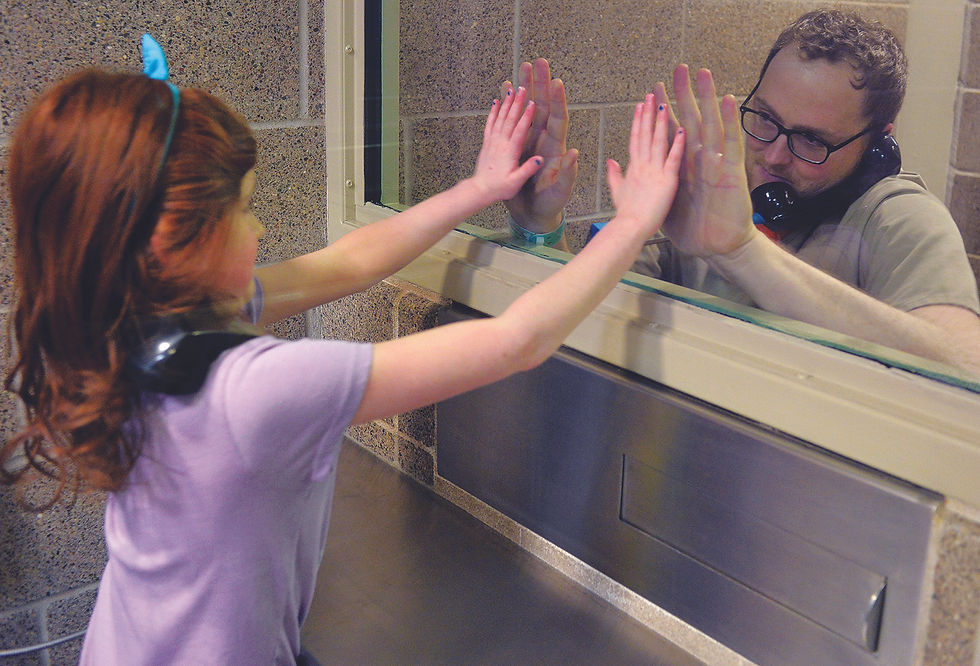
When “being away” means being behind bars, kids face additional challenges — sometimes more serious ones than what they would have faced had their fathers died or left due to divorce. “Most of the literature on widowhood shows that kids whose dads died are better off than kids who go through a divorce,” she said. As for incarceration, “there’s a lot of stigma and stress. I wouldn’t be surprised if it’s worse for kids when their dads are away due to incarceration.”

How to Be a Good Dad
A lot goes into being a good dad. Making healthy decisions before conceiving so that your kid has the best shot in life, genetically speaking. Coaching of your partner through pregnancy and birth so that your bond to your child starts early. Learning to play with your infant even though he’ll never remember. Counseling your teenage daughter about making smart choices. But those are the mechanical parts of fatherhood. In a more general sense, these studies all emphasize the importance of not just parenting but parenting well — not just being present and doing what the studies suggest, but legitimately caring for your children and modeling good behavior.
Perhaps most importantly, dads need to realize that their kids are always watching, and that what they do matters. How well a dad parents influences a child’s psychological, cognitive and social development, and strongly steers them toward adulthood. Why?
Because dads do matter.

“Fathers and mothers are children’s most important teachers,” Amato says. “Fathers might ask themselves, what are my children learning — about life in general, about morality, about how family members should treat one another, about relationships — from observing me every day?”


Comments