
Sunday, August 23, 2020 – Veterinarians
- Mary Reed

- Aug 24, 2020
- 10 min read

I walk by a veterinary clinic with this cool sculpture outside. I have had my fair share of excellent veterinarians over the years for my dogs and cats. It is a noble profession and requires a complex skill set, along with a good amount of sensitivity for both animals and people. My vet in East Texas even sent me a rose after it was necessary for him to put my dog to sleep.
I remember reading British veterinary surgeon James Herriot’s books “All Creatures Great and Small,” “All Things Bright and Beautiful,” “All Things Wise and Wonderful” and “The Lord God Made Them All” when they came out in the 1970s and early 1980s. “All Creatures Great and Small” is a movie on Netflix and a BBC television series.

History
According to Wikipedia, ancient Indian sage and veterinary physician Shalihotra (mythological estimate c. 2350 BCE), the son of a sage, Hayagosha, is considered the founder of veterinary sciences.
The first veterinary college was founded in Lyon, France in 1762 by Claude Bourgelat. According to Lupton, after observing the devastation being caused by cattle plague to the French herds, Bourgelat devoted his time to seeking out a remedy. This resulted in his founding a veterinary college in Lyon in 1761, from which establishment he dispatched students to combat the disease; in a short time, the plague was stayed and the health of stock restored, through the assistance rendered to agriculture by veterinary science and art.
The Odiham Agricultural Society was founded in 1783 in England to promote agriculture and industry and played an important role in the foundation of the veterinary profession in Britain. A 1785 Society meeting resolved to "promote the study of Farriery upon rational scientific principles."

The professionalization of the veterinary trade was finally achieved in 1790, through the campaigning of Granville Penn, who persuaded the Frenchman Benoit Vial de St. Bel to accept the professorship of the newly established Veterinary College in London. The Royal College of Veterinary Surgeons was established by royal charter in 1844.
Veterinary science came of age in the late 19th century, with notable contributions from Sir John McFadyean, credited by many as having been the founder of modern veterinary research.
The word "veterinary" comes from the Latin veterinae meaning “working animals.” "Veterinarian" was first used in print by Sir Thomas Browne in 1646. Although "vet" is commonly used as an abbreviation in all English-speaking countries, the occupation is formally referred to as a veterinary surgeon in the United Kingdom and Ireland and now as a veterinarian in most of the rest of the English-speaking world.

Roles and responsibilities
Veterinarians treat disease, disorder or injury in animals — which includes diagnosis, treatment and aftercare. The scope of practice, specialty and experience of the individual veterinarian will dictate exactly what interventions they perform, but most will perform surgery of differing complexities.
Unlike in human medicine, veterinarians must rely primarily on clinical signs, as animals are unable to vocalize symptoms as a human would. In some cases, owners may be able to provide a medical history and the veterinarian can combine this information along with observations, and the results of pertinent diagnostic tests such as radiography, CT scans, MRI, blood tests, urinalysis and others.
Veterinarians must consider the appropriateness of euthanasia — "putting to sleep" — if a condition is likely to leave the animal in pain or with a poor quality of life, or if treatment of a condition is likely to cause more harm to the patient than good, or if the patient is unlikely to survive any treatment regimen. Additionally, there are scenarios where euthanasia is considered due to the constraints of the client's finances.
As with human medicine, much veterinary work is concerned with preventative treatment. Common interventions include vaccination against common animal illnesses, such as distemper or rabies and dental prophylaxis to prevent or inhibit dental disease. This may also involve owner education so as to avoid future medical or behavioral issues.

Employment
The majority of veterinarians are employed in private practice treating animals — 75% of vets in the United States, according to the American Veterinary Medical Association.
Small animal veterinarians typically work in veterinary clinics, veterinary hospitals or both. Large animal veterinarians often spend more time travelling to see their patients at the primary facilities which house them, such as zoos or farms.
Other employers include charities treating animals, colleges of veterinary medicine, research laboratories, animal food companies and pharmaceutical companies. In many countries, the government may also be a major employer of veterinarians, such as the United States Department of Agriculture or the Animal and Plant Health Agency in the United Kingdom. State and local governments also employ veterinarians.
Focus of practice

Exotic animal veterinarian
Generally considered to include reptiles, exotic birds such as parrots and cockatoos, and small mammals such as ferrets, rabbits, chinchillas and Chilean degus.

Conservation medicine
Conservation medicine is an emerging, interdisciplinary field that studies the relationship between human and animal health and environmental conditions. It is also known as ecological medicine, environmental medicine, or medical geology.
The environmental causes of health problems are complex, global, and poorly understood. Conservation medicine practitioners form multidisciplinary teams to tackle these issues. Teams may involve physicians and veterinarians working alongside researchers and clinicians from diverse disciplines, including microbiologists, pathologists, landscape analysts, marine biologists, toxicologists, epidemiologists, climate biologists, anthropologists, economists and political scientists.
Clinical areas include HIV, Lyme disease, severe acute respiratory syndrome or SARS, avian influenza, West Nile virus, malaria, Nipay virus, coronavirus and other emerging infectious diseases.
The term conservation medicine was first used in the mid-1990s and represents a significant development in both medicine and environmentalism. While the hands-on process in individual cases is complicated, the underlying concept is quite intuitive, namely, that human health, wildlife health and ecosystem health is all related. The threat of zoonotic diseases — pathogen jumps from non-human animal to a human — that travel to humans from animals is central. For example, burning huge areas of forest to make way for farmland may displace a wild animal species, which then infects a domesticated animal. The domesticated animal then enters the human food chain and infects people, and a new health threat emerges. Conventional approaches to the environment, animal and human health rarely examine these connections. In conservation medicine, such relationships are fundamental. Professionals from the many disciplines involved necessarily work closely together.

Small animal practice
Usually dogs, cats and other companion animals/household pets such as hamsters and gerbils. Some practices are canine-only or feline-only practices.

Laboratory animal practice
Some veterinarians work in a university or industrial laboratory and are responsible for the care and treatment of laboratory animals of any species — often involving bovines, porcine species, felines, canines, rodents and even exotic animals. Their responsibility is not only for the health and well-being of the animals, but also for enforcing humane and ethical treatment of the animals in the facility.

Large animal practice
Usually referring to veterinarians that work with, variously, livestock and other large farm animals, as well as equine species and large reptiles.

Equine medicine
Some veterinarians are specialists in equine medicine. Horses are different in anatomy, physiology, pathology, pharmacology and husbandry to other domestic species. Specialization in equine veterinary practice is something that is normally developed after qualification, even if students do have some interest before graduation.

Food supply medicine
Some veterinarians deal exclusively or primarily with animals raised for food — such as meat, milk and eggs. Livestock practitioners may deal with ovine or sheep, bovine or cattle and porcine or swine species; such veterinarians deal with management of herds, nutrition, reproduction and minor field surgery. Dairy medicine practice focuses on dairy animals. Poultry medicine practice focuses on the health of flocks of poultry; the field often involves extensive training in pathology, epidemiology and nutrition of birds. The veterinarian treats the flock and not the individual animals.

Food safety practice
Veterinarians are employed by both the food industry and government agencies to advise on and monitor the handling, preparation and storage of food in ways that prevent foodborne illness.
Wildlife medicine
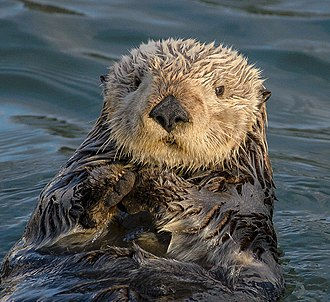
A relatively recent branch of veterinary medicine, focusing on wildlife. Wildlife medicine veterinarians may work with zoologists and conservation medicine practitioners and may also be called out to treat marine species such as sea otters, dolphins or whales after a natural disaster or oil spill.

Aquatic medicine
Mostly refers to veterinary care of fish in aquaculture — like salmon and cod, among other species, but can also include care of aquatic mammals. For certain countries with high economic income from aquaculture, this is an important part of the veterinary field — like Norway and Chile. Other countries — particularly those that are landlocked — might have little or no emphasis on aquatic medicine.

Dentistry
Many practices are incorporating dentistry into their daily medical services. Veterinary dentistry can extend the life of the patient by preventing oral disease and keeping the teeth and gums of the patient in healthy condition. Veterinary dentists offer services in the fields of endodontics, oran and maxillofacial radiology, oral and maxillofacial surgery, oral medicine, orthodontics, pedodontics, periodontics and prosthodontics. Similar to human dentists, they treat conditions such as jaw fractures, malocclusions, oral cancer, periodontal disease, stomatitis and other conditions unique to veterinary medicine e.g., feline odontoclastic resorptive lesions.

Mobile vs. stationary practice
Some of the advantages of operating a mobile veterinary practice over a standard practice are the startup and operating costs. Running a mobile practice is much less expensive than opening a brick-and-mortar location. A traditional physical location practice can cost upwards of $1 million or more for equipment and surgical supplies. A mobile vet can operate as low as $3,000 for a box in an SUV to around $250,000 for a fully equipped custom-built chassis. The advantages for the pet owner are less stress to their loved ones, less risk of disease transmission and convenience for having more than one pet all at close to the same cost as a clinic. Having to harness up or put a pet in a carrier to transport them to the clinic can be stressful to the animal. A 2015 study published in the Journal of American Veterinary Medical Association proved that blood pressure readings, pulse rates and body temperature rates were increased by 11–16% when those readings were done in the clinic versus in the home.

Salary
The last American Veterinary Medical Association Report on Veterinary Compensation, published in 2013, indicated private practice veterinarians who had board certification earned a mean of $180,000. The median starting salary for new veterinary graduates in 2018 was $92,830 in the United States according to the Bureau of Labor Statistics, while the lowest paid earned less than $76,540 annually. States and districts with the highest mean salary are Hawaii ($198,340), District of Columbia ($125,100), New Jersey ($124,870), New York ($122,500) and Nevada ($121,150).
The average income for a private practice associate in the United States was $202,800 in 2018. Most practice owners pay themselves based on production, including a 3–4% management fee plus a 4.5% "return on investment" fee dependent on the value of their business. In 2016, industry standards and surveys reflected that a practicing owner of a veterinary practice earned an average salary of $449,850 per year, ranging much higher based on practice production and including bonus pay and incentives. Many practice owners also own the building where the practice is based. In many cases, the owner is paid a fee for rental of the building in addition to their salary. In Australia, the professionwide average income was $137,000 in 2016, and this has declined compared to other professions for the past 30 years, while graduate unemployment has doubled between 2006 and 2011.
The financial rewards for veterinary specialists proved impressive based on information obtained in a 2017 compensation survey sent to veterinarians in the United States. Ophthalmologists and radiologists earned more than $445,468 per year. Pathologists earned more than $367,000 per year, veterinary surgeons earned more than $390,061 per year and lab animal medicine specialists could earn more than $246,000 per year. Veterinary cardiologists topped the survey with responses averaging $624,640 and anesthesiologists with $565,200.

Occupational hazards
Veterinarians face many occupational hazards including bites and scratches, hazardous drugs, needlestick injuries, ionizing radiation and noise. According to the U.S. Department of Labor, 12% of workers in the veterinary services profession reported a work-related injury or illness in 2016. Needlestick injuries are the most common accidents among veterinarians, but they are likely underreported. Needlesticks can result in hazardous drug or bloodborne-pathogen exposures. Unlike human medical professionals, veterinarians receive minimal training on safe handling of hazardous drugs in school. Also, a large percentage of veterinarians are women of reproductive age and drug exposures put them at risk of infertility or other adverse health outcomes. Additionally, some antibiotics, steroids and chemotherapy drugs are known to have negative effects on male fertility. The U.S. National Institute for Occupational Safety and Health has issued guidance on the safe handling of hazardous drugs for veterinary workers. Animal bites and scratches are another common injury in veterinary practice.
Veterinary practices need a health and safety plan that addresses infection prevention and other hazards. Noise can be a prominent exposure, in which case a hearing loss prevention program may be recommended. A NIOSH study on kennel noise found that noise levels often exceeded the permissible exposure limit. Reducing noise is beneficial for animal and human health. Workplaces should utilize engineering controls, administrative controls and personal protective equipment to keep their employees safe. PPE such as gloves, safety goggles, lab coats and hearing protection should be readily available with mandatory training on proper usage. Raising awareness is the most important step in promoting workplace health and safety.

Veterinarians have high suicide rates in comparison to the general population. A study by the U.S. Centers for Disease Control and Prevention found that male veterinarians are 2.1 times and female veterinarians are 3.5 times as likely as the general population to die by suicide. Some reasons for this could be long hours, work overload, client expectations and complaints, euthanasia procedures and poor work-life balance. A survey of more than 11,000 vets found 9% had serious psychological distress, 31% experienced depressive episodes and 17% had suicidal ideation. Online support groups — such as Not One More Vet — have been established to help veterinarians who may be experiencing depressive symptoms or suicidal thoughts. Another driver of stress can be student loan debt. A 2013 national survey found that average debt for veterinary medicine graduates was as high as $162,113. Veterinarian lifelong earning potential is less than a physician, so it can take a lot longer to break even.
The COVID-19 pandemic has created a greater demand for veterinary services. Many people are home with extra time on their hands, and adoption agencies and animal shelters have seen a surge in pet purchases as a result. The American Veterinary Medical Association has provided COVID-19 resources for veterinarians on prevention measures, animal testing and well-being.
In popular culture
Reality televisions shows featuring veterinarians include:
· Bondi Vet, an Australian factual television series. It follows the lives of veterinary surgeon Chris Brown at the Bondi Junction Veterinary Hospital.
· The Incredible Dr. Pol, a US veterinarian reality show. Produced by National Geographic Wild, a Disney channel. It follows the life of Dr. Jan Pol and Pol Veterinarian Service in Michigan.
· E-Vet Interns (1998–2002), a US show filmed at Alameda East Veterinary Hospital in Denver, Colorado.
· Emergency Vets filmed at Alameda East Veterinary Hospital in Denver, Colorado.
· Rookie Vets (2005), featuring students at Massey University in New Zealand.
· Vet School Confidential (2001), following students at Michigan State University College of Veterinary Medicine in the US.
· Vets in Practice (1997–2002), a British series.
Fictional works featuring a veterinarian as the main protagonist include:
· James Herriot’s series of books containing fictionalized stories of his career as a farm animal veterinarian in England, which was adapted as the BBC television series “All Creatures Great and Small.”
· “The Three Lives of Thomasina,” a 1963 America-British fantasy film about Andrew MacDhui, a veterinarian in a village in Scotland.
· The Doctor Doolittle series of children's books, which have twice been adapted into movies, “Doctor Doolittle” (1967), “Doctor Doolittle” (1998) and “Doolittle” (2020).
· The movie “Beethoven,” featuring the evil veterinarian Dr. Herman Varnick.


Comments